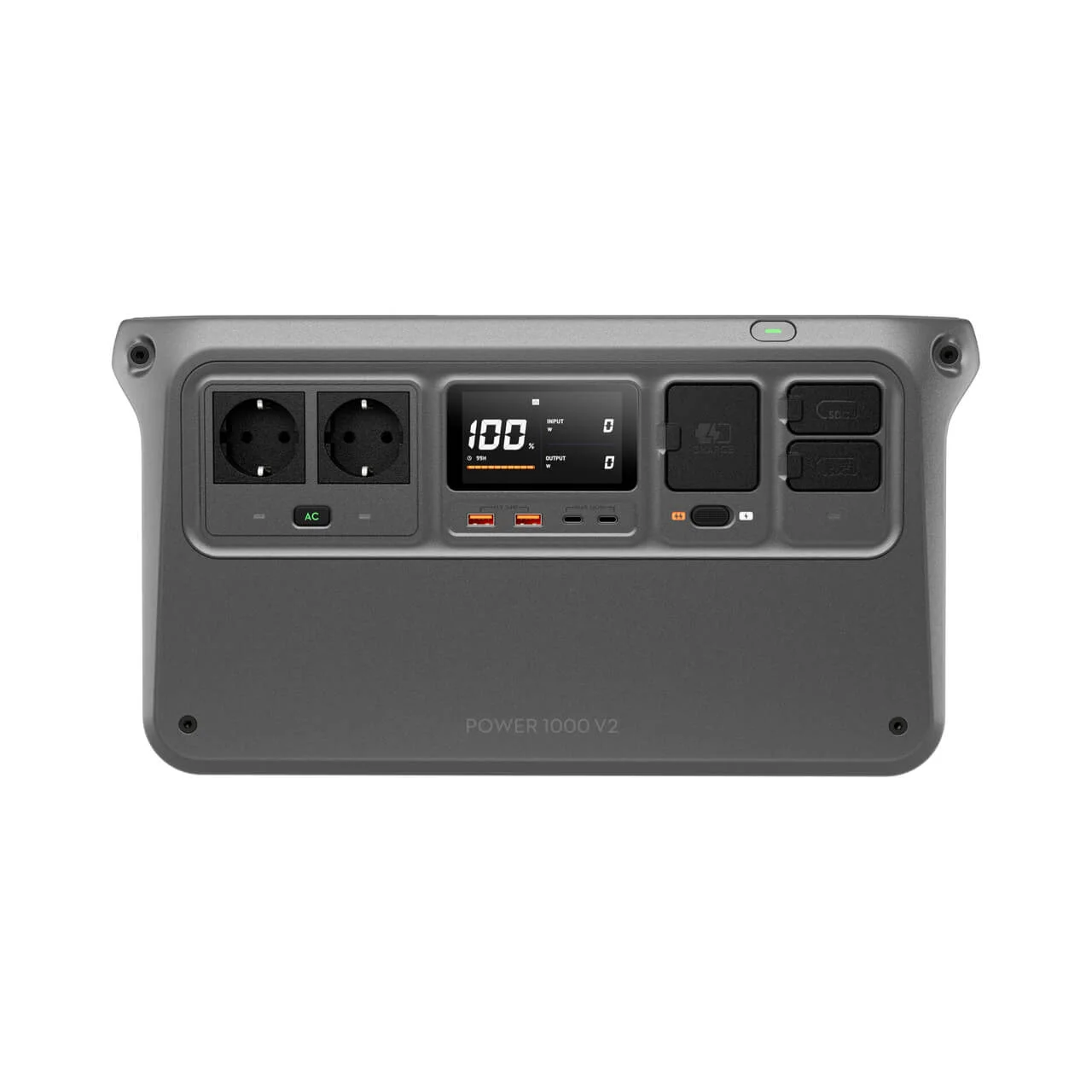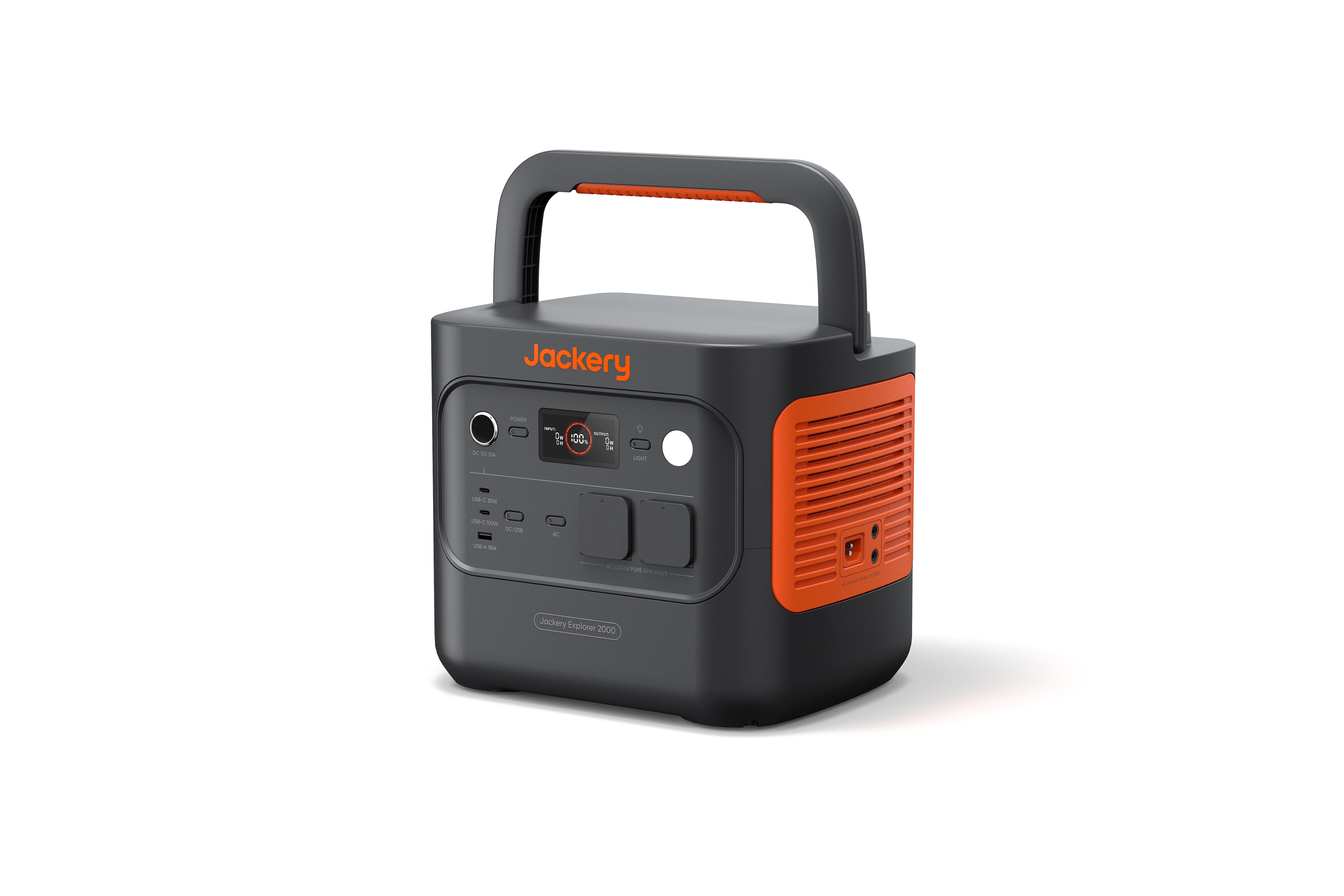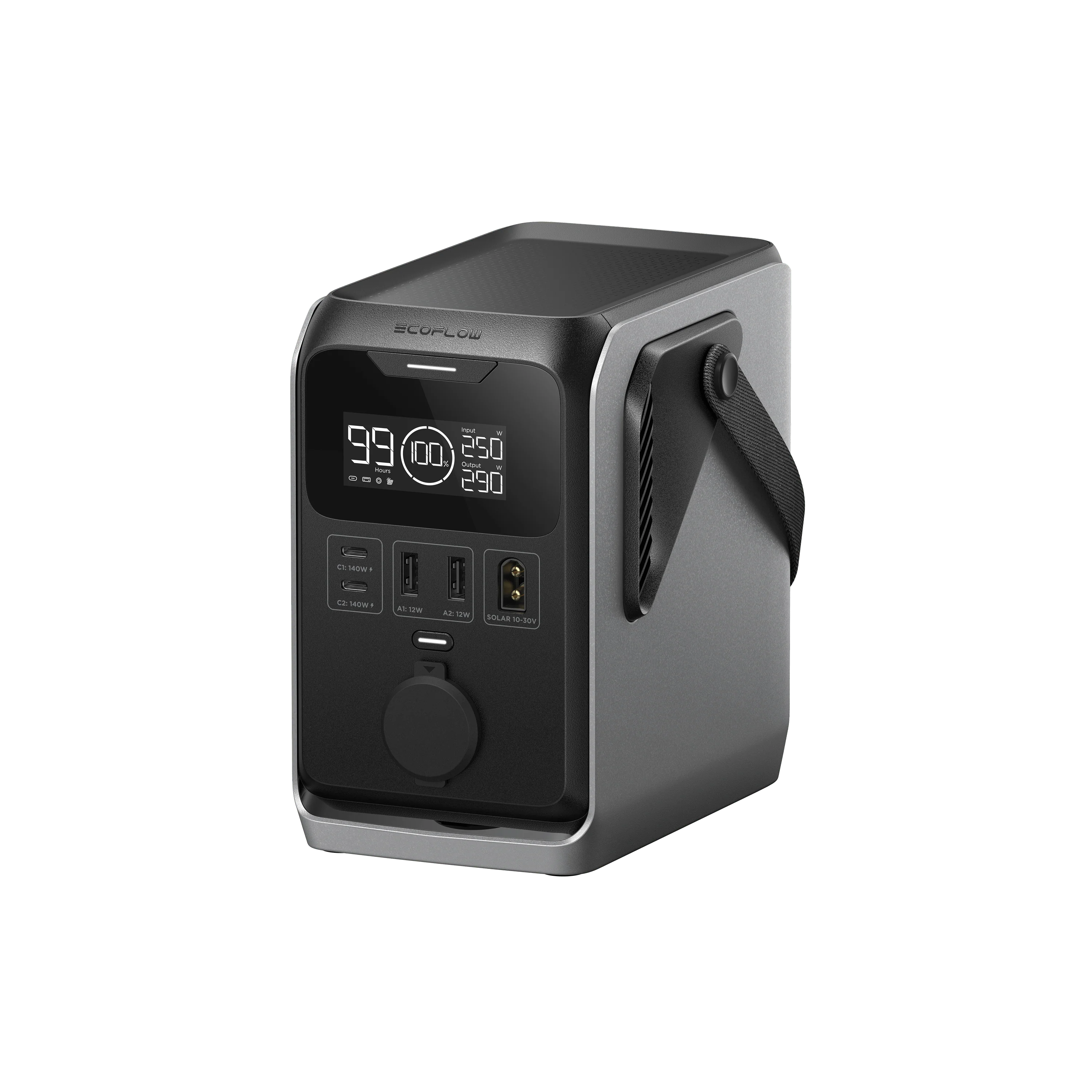
EcoFlow DELTA 2 — Home backup
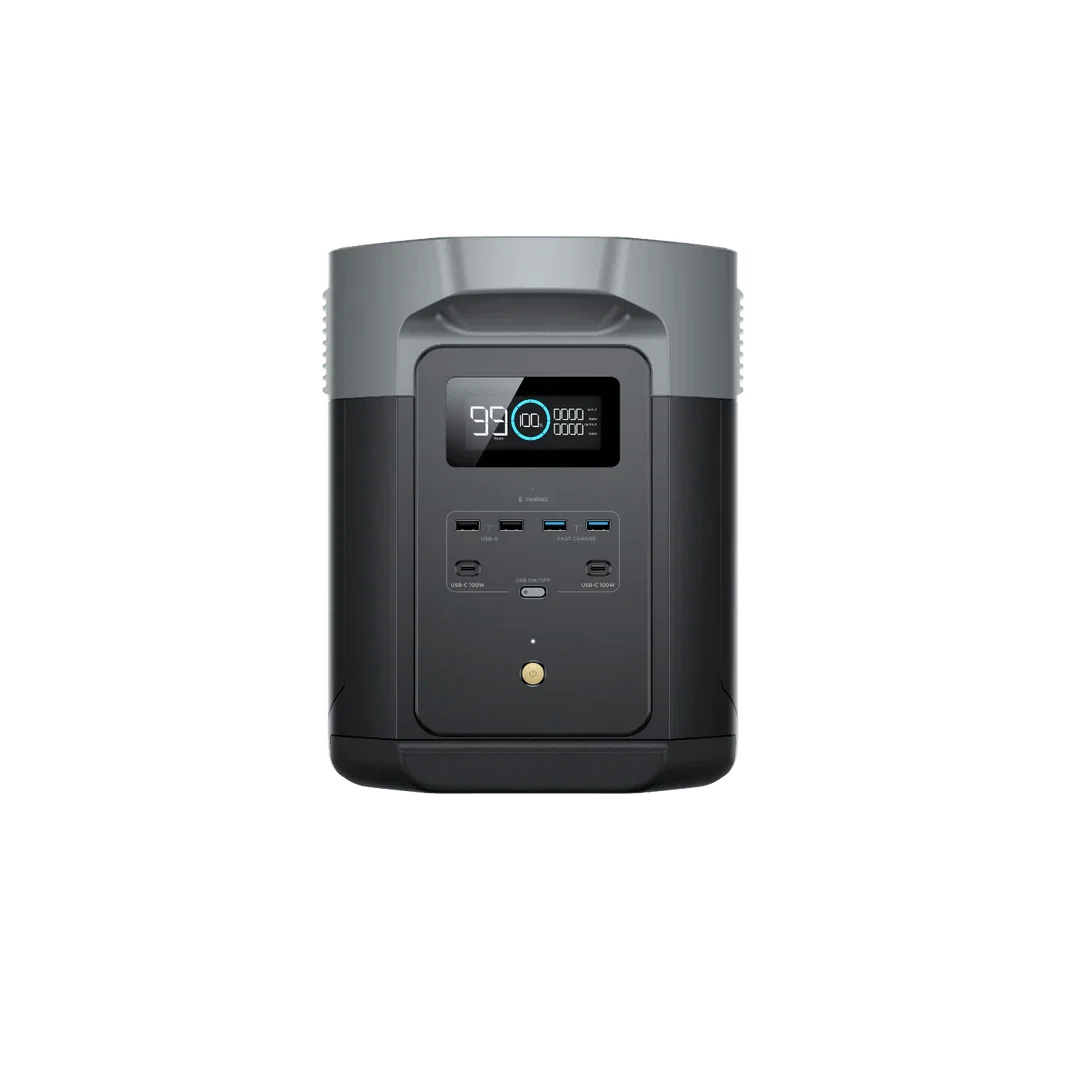
EcoFlow DELTA 2

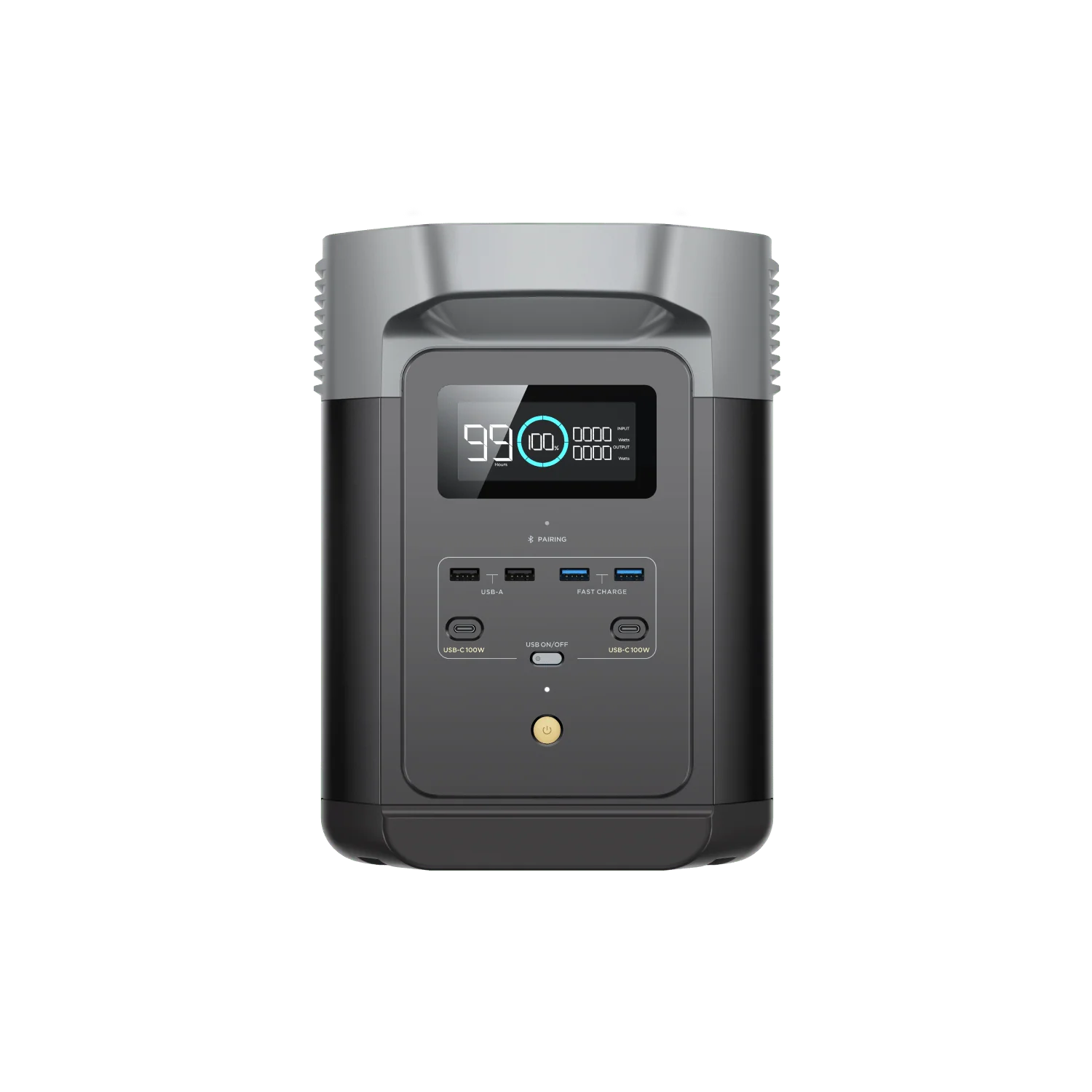
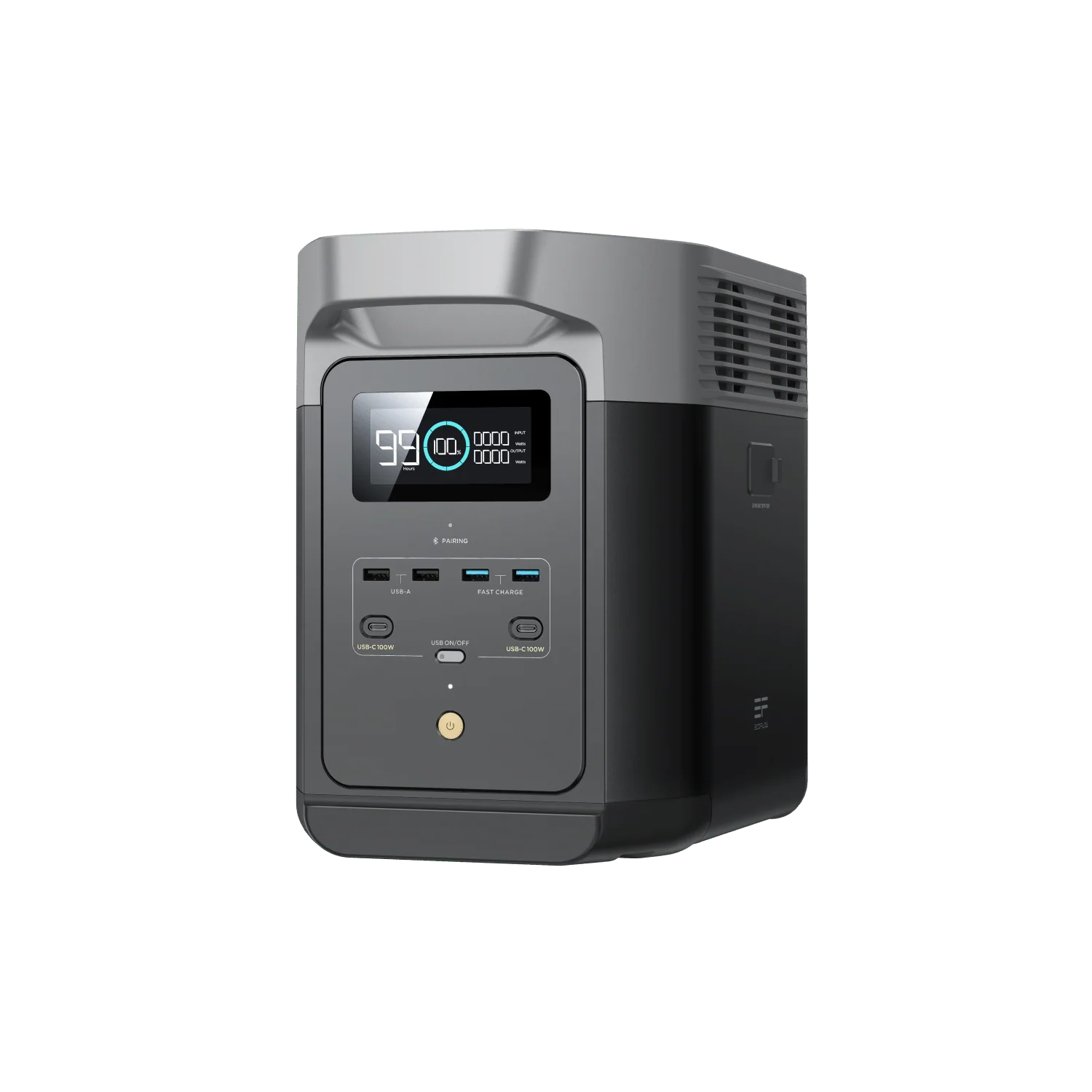
Photo from the manufacturer

Home backup F2 · Room-sized (1–3 kWh)

EcoFlow EcoFlow DELTA 2

Price
Not available

JouleSpecs does not sell and does not show shop prices: check the price where you buy.

Where to buy

Check the price on Amazon

Paid link: the price for you does not change.

As an Amazon Associate I earn from qualifying purchases.

Data from official source

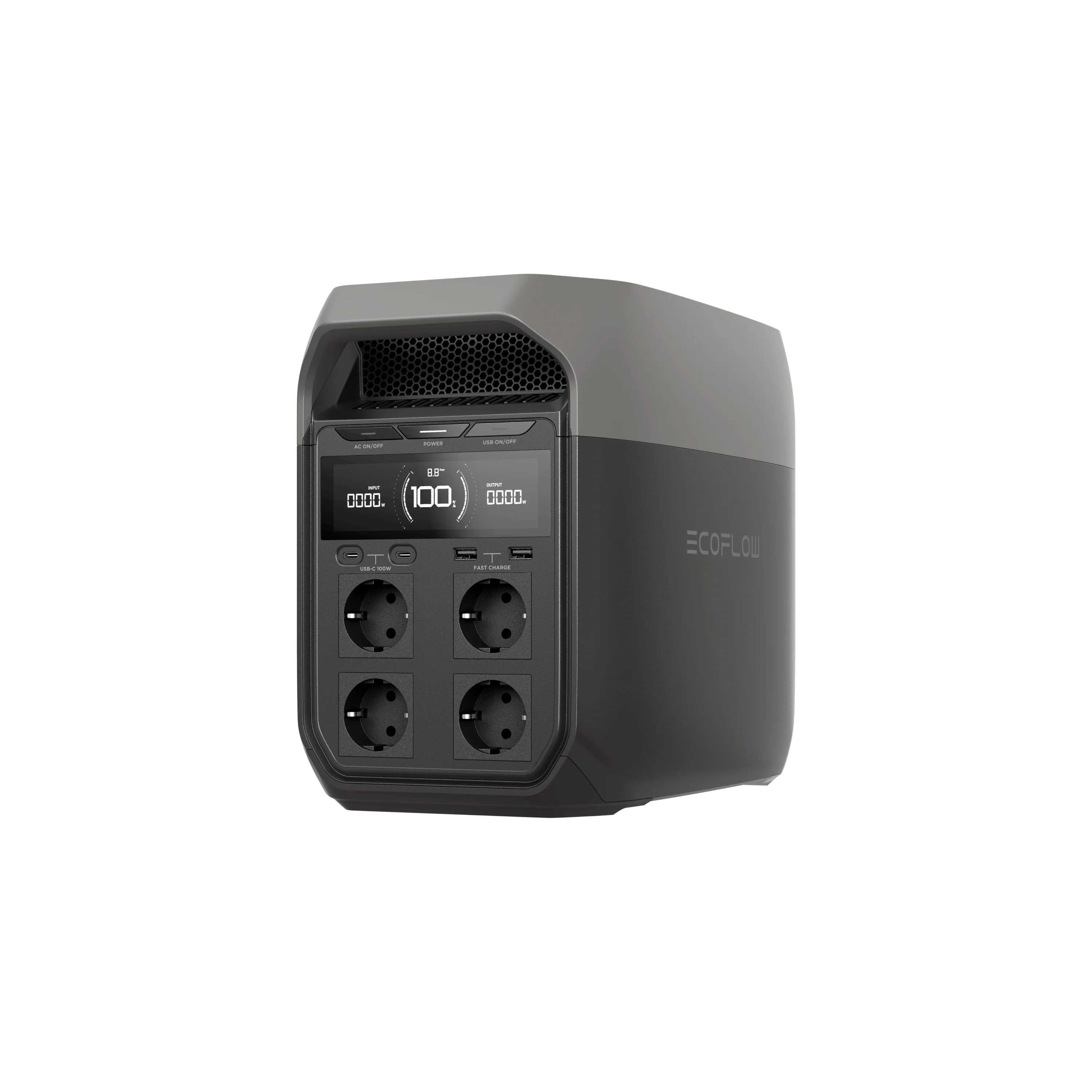
EcoFlow DELTA 2 is a lithium iron phosphate power station designed as a first line of home backup: leave it plugged into the outlet and, when power fails, it steps in before a running computer or the modem even notice. There are four outlets, and the capacity it ships with isn't the final word: an external battery, sold separately, extends it as the loads to cover grow.

It charges from the home outlet, the sun or the car's cigarette lighter socket. Twelve kilos lift with one hand, and it moves from the living room to the balcony or the car without asking for help. The finer adjustments — how long it stays on with nothing connected before switching itself off — are made from the app, not from the buttons on the body.

It's the safety net for anyone who wants to keep a fridge, a modem and a few lights on during an outage, and the battery you take camping without asking too much of it. Anyone who needs to start two heat-producing appliances together is asking the DELTA 2 for more than it can give.

01 · Verified data

Technical specifications

Cell chemistry LFP (lithium iron phosphate)
Continuous output 1800 W
Cost per kWh 584,96 €/kWh

official manufacturer list price — on nominal capacity

Round-trip efficiency EcoFlow does not state it.

where we looked

Standby consumption EcoFlow does not state it.

where we looked

Parameter Value Source
Weight 12.0 kg (26.5 lb) manufacturer website
Power supply 220-240 V / 50-60 Hz manufacturer website
Nominal capacity 1.024 kWh Declared by the brand
Cell chemistry LFP (lithium iron phosphate) Declared by the brand
Expandable Yes Declared by the brand
Continuous output 1800 W Declared by the brand
Peak output 2700 W Declared by the brand
AC outlets 4 Declared by the brand
Fastest USB-C 100 W Declared by the brand
Maximum charge power 1.2 kW Declared by the brand
Maximum solar input 500 W Declared by the brand
Backup power EPS (brief interruption) Declared by the brand
Switchover time 30 ms Declared by the brand
Rated cycles 3000 cicli Declared by the brand
Capacity at end of cycle life 80 % Declared by the brand
Warranty 5 anni Declared by the brand
Mounting Portable Declared by the brand
Minimum temperature -10 °C Declared by the brand
Maximum temperature 45 °C Declared by the brand
Official list price 599 € Declared by the brand
Depth of discharge Not declared
Cell supplier Not declared
Maximum expanded capacity Not declared
Peak duration Not declared
0–80% charge time Not declared
Guaranteed throughput Not declared
Guaranteed remaining capacity Not declared
Round-trip efficiency Not declared
Standby consumption Not declared
Ingress protection Not declared
Cell heating Not declared
Noise level Not declared
Wheels and handle Not declared
Works without internet Not declared
Local control Not declared
Open protocols Not declared
Home Assistant integration Not declared
Where the data is hosted Not declared
Remote updates Not declared
App required for setup Not declared
Declared standards Not declared

Which documents this page rests on

The rest of the data comes from 2 pages on the manufacturer's site, cited row by row in the table above.

A manual or a datasheet counts as a source even when the original file is hosted elsewhere: what matters is the document, not the server. Where that happens, it is stated above.

02 · The numbers

What it really costs

Cost per kWh 584.960 €/kWh official manufacturer list price — on nominal capacity
How we worked it out
price
599
nominal capacity
1.024
Battery life cycles 1825 cycles warranty years
  • the manufacturer does not state the guaranteed total energy throughput, which for heavy users is often the limit that runs out first
How we worked it out
stated cycles
3000
warranty years
1825
Cost of stored energy 0.321 €/kWh warranty years
  • the manufacturer does not state the guaranteed total energy throughput, which for heavy users is often the limit that runs out first
  • on nominal capacity: the manufacturer does not state the usable figure, so the real cost is higher
  • without conversion losses, which the manufacturer does not state: the real cost is higher
How we worked it out
price
599
nominal capacity
1.024
battery life cycles
1825
round-trip efficiency
100
energy delivered over the whole life
1869
Energy density 85.300 Wh/kg
  • on nominal capacity: the manufacturer does not state the usable figure, so the true number is lower
How we worked it out
nominal capacity
1.024
weight
12
Power-to-capacity ratio 1.760 C
  • on nominal capacity: the manufacturer does not state the usable figure, so the true number is lower
How we worked it out
continuous power
1800
nominal capacity
1.024

These numbers are calculated, not stated: they have no source to cite, they have a formula you can redo. The price used is the manufacturer's list price, which is stable and the same in every country — not a shop's price on the day.

03 · Summary

Pros and cons

In favour

  • The outage doesn't reach the connected appliances: a running computer stays running.
  • Twelve kilos lift with one hand: it moves from the living room to the balcony without asking for help.
  • Capacity extends with an external battery, when the loads to cover grow.
  • It charges from the outlet, the sun or the cigarette lighter socket: away from home it doesn't stay idle. source

Worth knowing

  • On its own it covers only a few hours of heavy loads: for a long outage the external battery is needed, sold separately.
  • Eighteen hundred watts continuous: two heat-producing appliances running together saturate it.
  • The automatic shutoff time can only be changed from the app, not from the buttons on the body. source
If not this one

Alternatives in the catalogue

Chosen by the declared use tier and footprint, not by price: we don't publish prices.