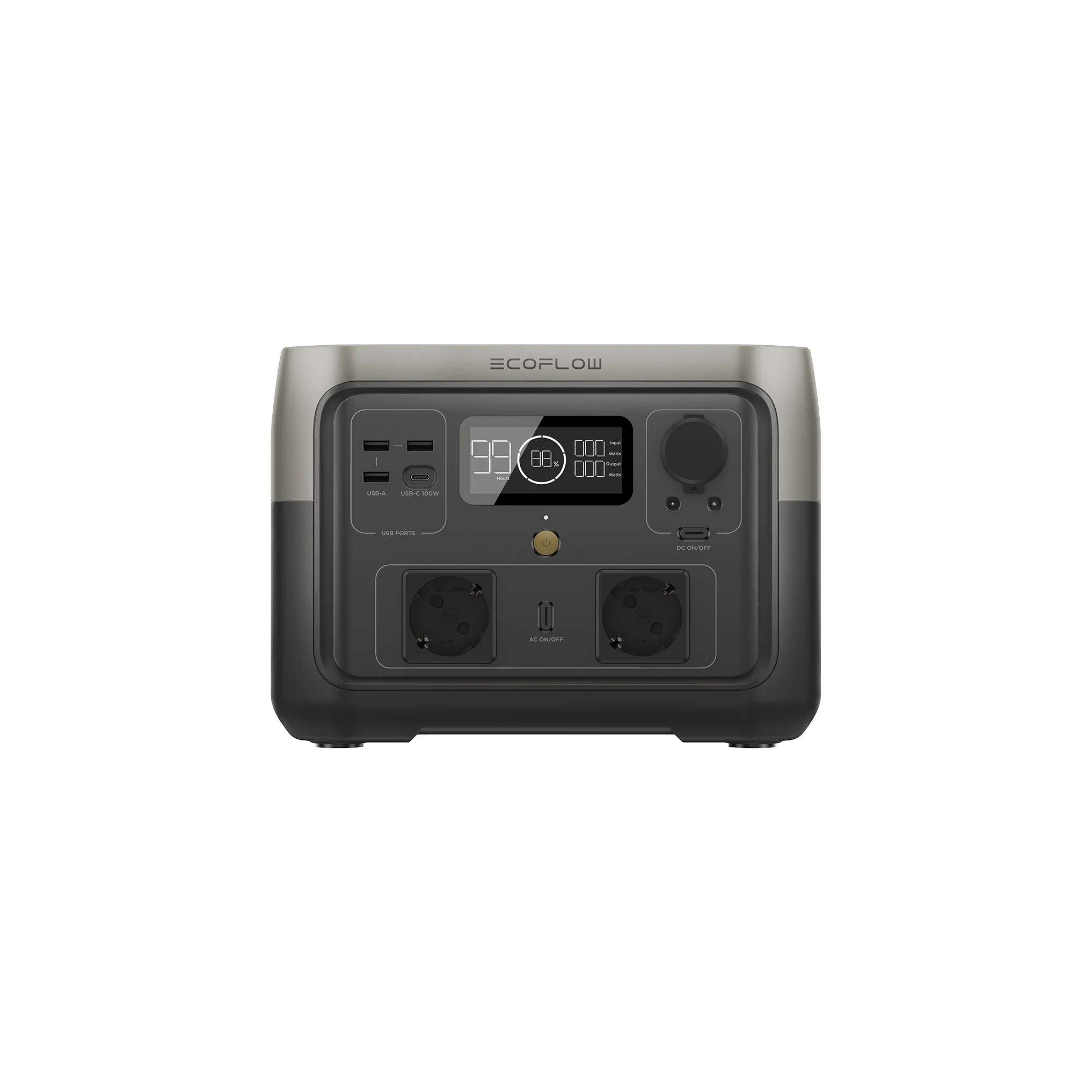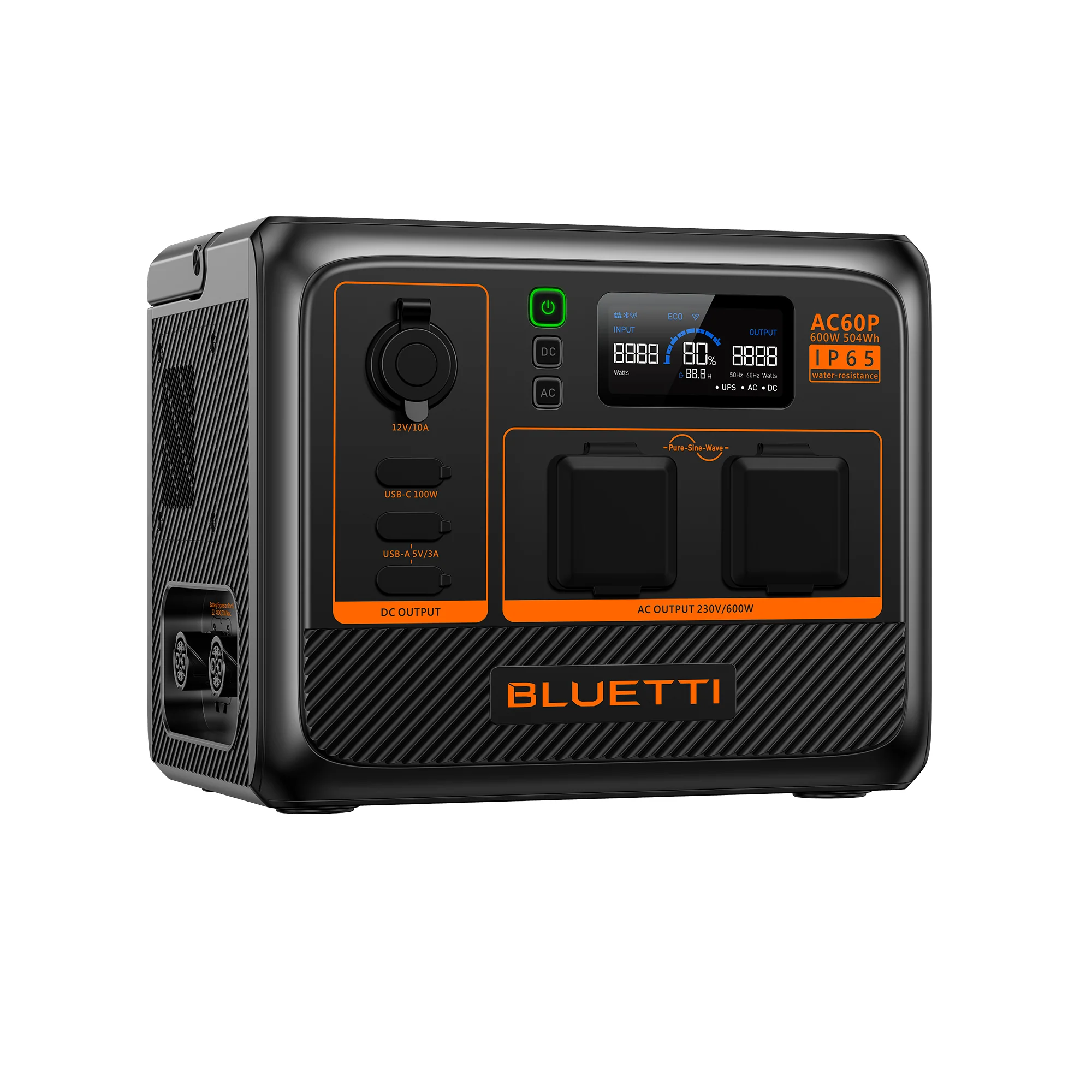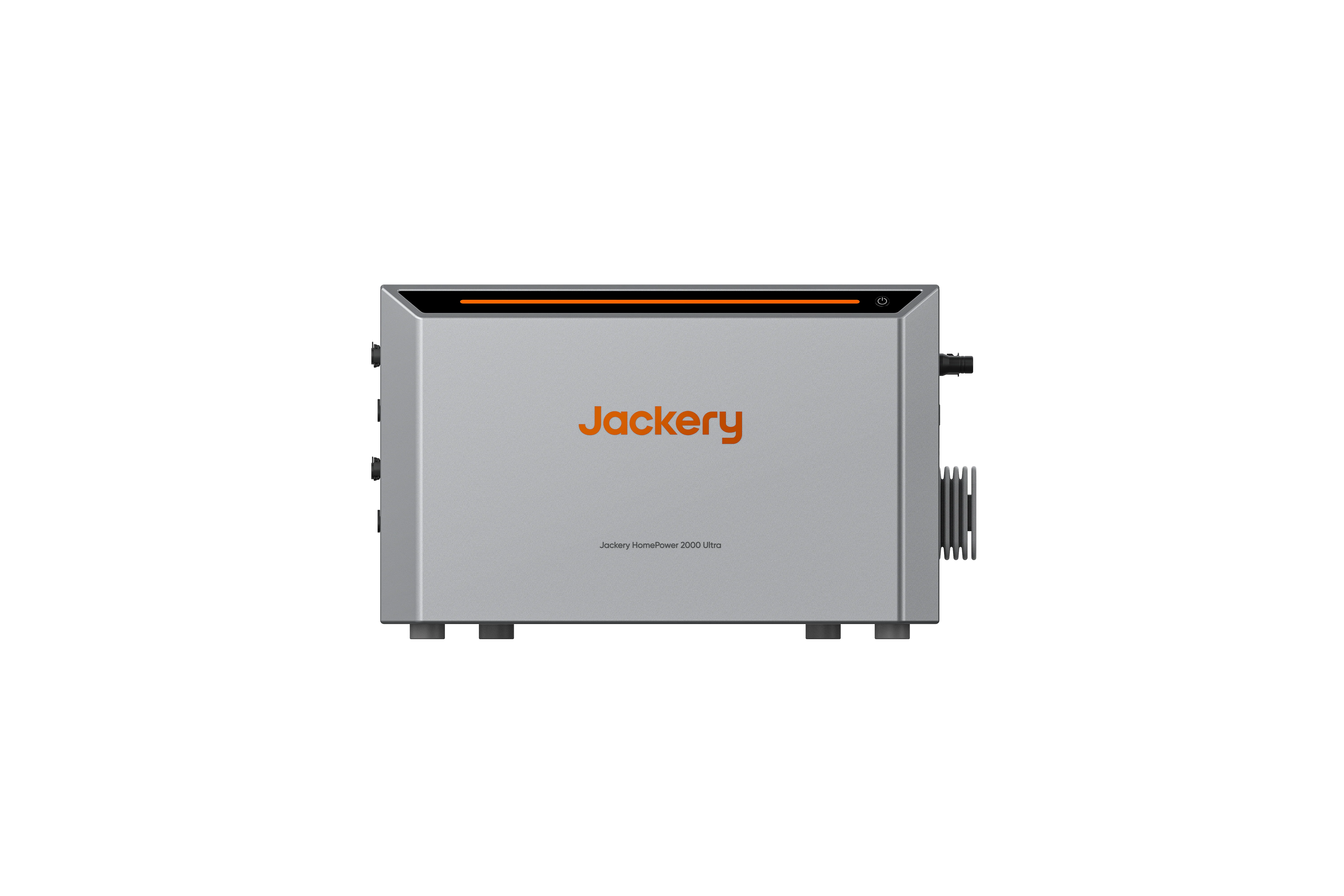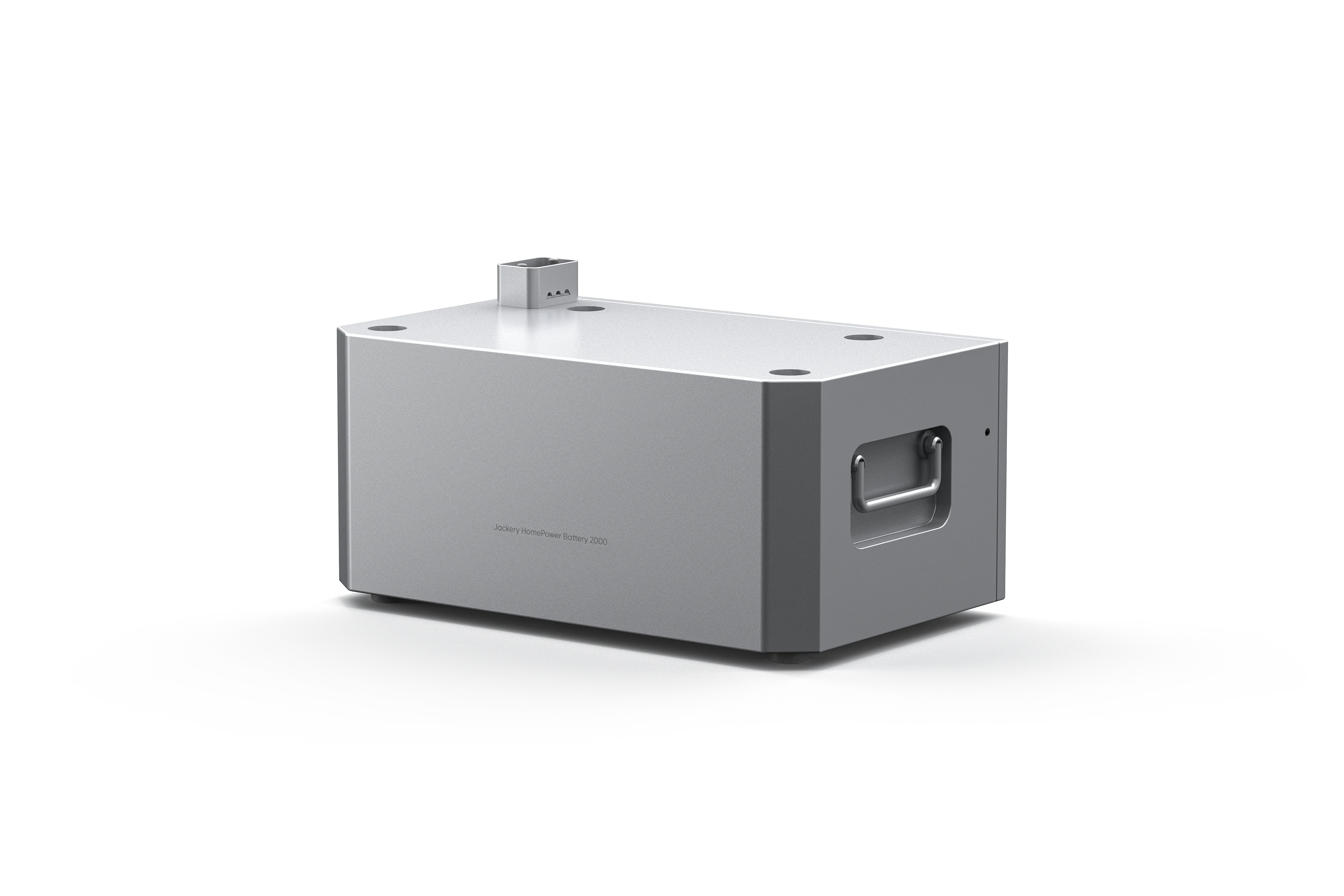
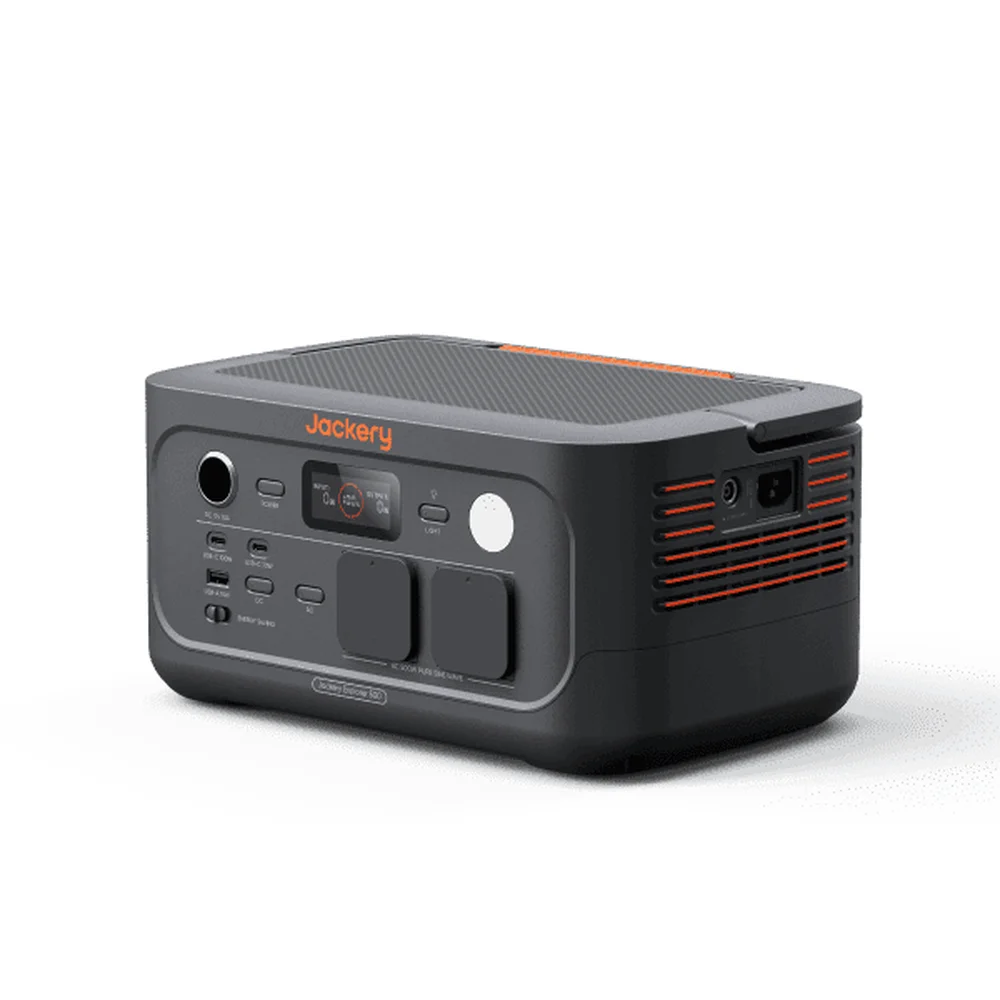
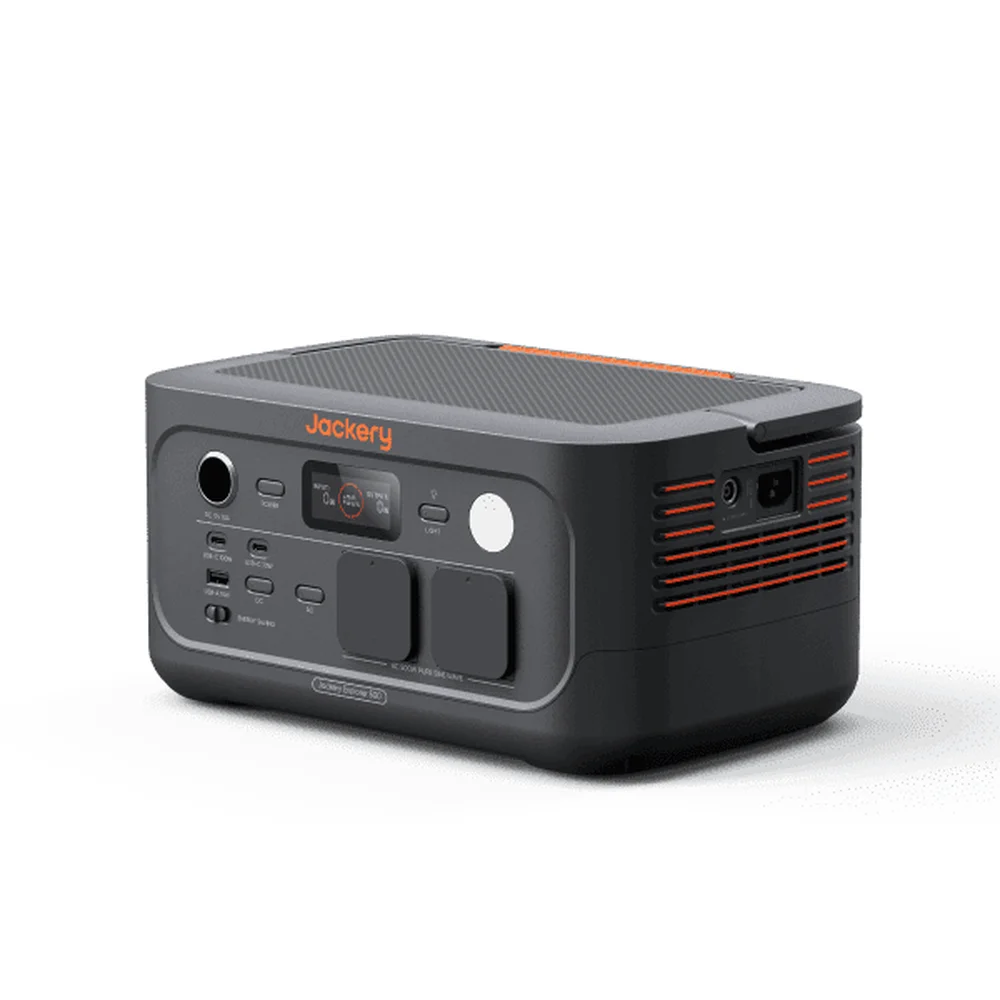
Jackery Jackery Explorer 500 v2
JouleSpecs does not sell and does not show shop prices: check the price where you buy.
Where to buy
Check the price on AmazonPaid link: the price for you does not change.
As an Amazon Associate I earn from qualifying purchases.
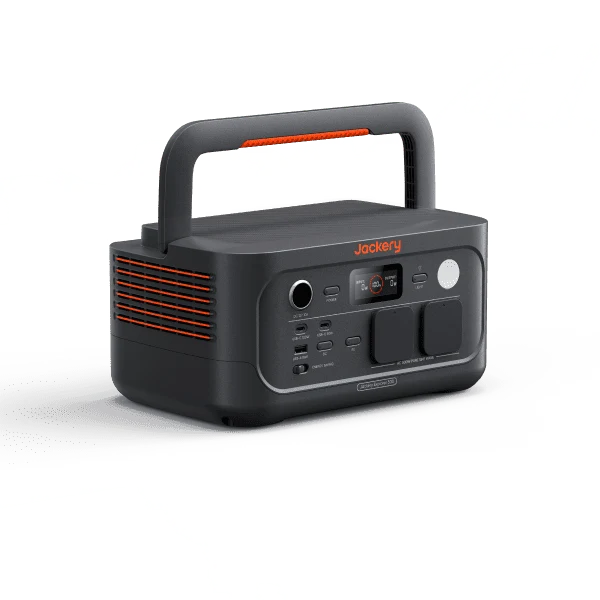
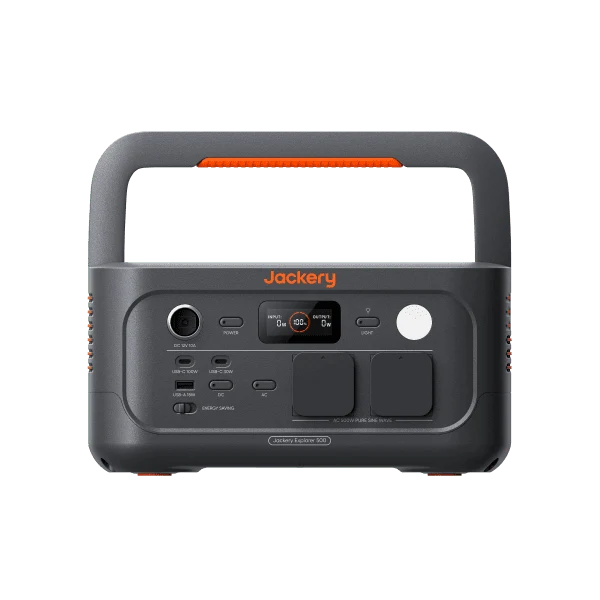
The Explorer 500 v2 is the roomiest of the three, with two AC outlets instead of one: it can power a small appliance and charge a laptop together without having to choose. The lithium iron phosphate cell holds up to many more charge cycles than earlier versions of the same brand, but those cycles are counted down to a lower remaining capacity than usual: at the end of the count the battery is more worn than is normally meant.
In a power outage it switches to storage so fast that a router or the home lights stay on without a noticeable interruption, and meanwhile it can keep charging from the grid while powering whatever's connected. The solar panel and the car's cigarette lighter socket go through the same DC port and share its maximum limit, so they don't add together.
The fan is quieter while it powers something and a bit louder while it charges from the grid: a difference worth keeping in mind if you leave it charging overnight in a tent or a van. It's built for anyone spending more than a weekend away from home - camper, van, job site - who wants to keep several AC appliances running together, or for a small home backup on a router, lights and a few other loads during a blackout; not for powering a home fridge or heavier job site tools for days on end.
Technical specifications
official manufacturer list price — on nominal capacity
| Parameter | Value | Source |
|---|---|---|
| Dimensions | 31.1 × 20.5 × 15.7 cm (12.2 × 8.1 × 6.2 in) | manufacturer website |
| Weight | 5.7 kg (12.6 lb) | manufacturer website |
| Nominal capacity | 0.512 kWh | Declared by the brand |
| Cell chemistry | LFP (lithium iron phosphate) | Declared by the brand |
| Expandable | No | Declared by the brand |
| Continuous output | 500 W | Declared by the brand |
| Peak output | 1000 W | Declared by the brand |
| AC outlets | 2 | Declared by the brand |
| Fastest USB-C | 100 W | Declared by the brand |
| Maximum solar input | 200 W | Declared by the brand |
| Backup power | UPS | Declared by the brand |
| Switchover time | 10 ms | Declared by the brand |
| Rated cycles | 6000 cicli | Declared by the brand |
| Capacity at end of cycle life | 70 % | Declared by the brand |
| Warranty | 3 anni | Declared by the brand |
| Mounting | Portable | Declared by the brand |
| Minimum temperature | -20 °C | Declared by the brand |
| Maximum temperature | 45 °C | Declared by the brand |
| Noise level | 36 dB | Declared by the brand |
| Official list price | 499 € | Declared by the brand |
| Usable capacity | — | Not declared |
| Depth of discharge | — | Not declared |
| Cell supplier | — | Not declared |
| Maximum expanded capacity | — | Not declared |
| Peak duration | — | Not declared |
| Maximum charge power | — | Not declared |
| 0–80% charge time | — | Not declared |
| Guaranteed throughput | — | Not declared |
| Guaranteed remaining capacity | — | Not declared |
| Round-trip efficiency | — | Not declared |
| Standby consumption | — | Not declared |
| Ingress protection | — | Not declared |
| Cell heating | — | Not declared |
| Wheels and handle | — | Not declared |
| Works without internet | — | Not declared |
| Local control | — | Not declared |
| Open protocols | — | Not declared |
| Home Assistant integration | — | Not declared |
| Where the data is hosted | — | Not declared |
| Remote updates | — | Not declared |
| App required for setup | — | Not declared |
| Declared standards | — | Not declared |
Which documents this page rests on
The rest of the data comes from one page on the manufacturer's site, cited row by row in the table above.
A manual or a datasheet counts as a source even when the original file is hosted elsewhere: what matters is the document, not the server. Where that happens, it is stated above.
What it really costs
How we worked it out
- price
- 499
- nominal capacity
- 0.512
- the manufacturer does not state the guaranteed total energy throughput, which for heavy users is often the limit that runs out first
How we worked it out
- stated cycles
- 6000
- warranty years
- 1095
- the manufacturer does not state the guaranteed total energy throughput, which for heavy users is often the limit that runs out first
- on nominal capacity: the manufacturer does not state the usable figure, so the real cost is higher
- without conversion losses, which the manufacturer does not state: the real cost is higher
How we worked it out
- price
- 499
- nominal capacity
- 0.512
- battery life cycles
- 1095
- round-trip efficiency
- 100
- energy delivered over the whole life
- 561
- on nominal capacity: the manufacturer does not state the usable figure, so the true number is lower
How we worked it out
- nominal capacity
- 0.512
- weight
- 5.700
- on nominal capacity: the manufacturer does not state the usable figure, so the true number is lower
How we worked it out
- continuous power
- 500
- nominal capacity
- 0.512
These numbers are calculated, not stated: they have no source to cite, they have a formula you can redo. The price used is the manufacturer's list price, which is stable and the same in every country — not a shop's price on the day.
Pros and cons
In favour
- Two AC outlets instead of one: a small appliance and a laptop charge together without needing a power strip.
- In a power outage it switches to storage so fast that a router or the lights stay on without a noticeable interruption.
- The startup peak reaches double the continuous rating, so even a motor-driven appliance starts without tripping anything.
- While it's powering something it stays quiet enough to keep beside you in a tent; it's charging from the grid that makes it noticeable.
Worth knowing
- The solar panel and the car's cigarette lighter socket go through the same DC port and share its limit: they don't add together.
- Five hundred watts continuous is enough for a small appliance or a laptop, not for a hair dryer or a hot plate at higher loads.
- Cycles are counted down to a lower remaining capacity than usual: the number is high, but the battery is already considered end-of-life when it holds less.
Similar products worth weighing up
Other products Jackery
Alternatives in the catalogue
Chosen by the declared use tier and footprint, not by price: we don't publish prices.