How long does a battery storage system really last, and what runs out first
Six thousand cycles on the box and two years on the warranty certificate are two promises that never meet. Which numbers to count, what capacity retention they're measured against, and which of the three limits runs out first.
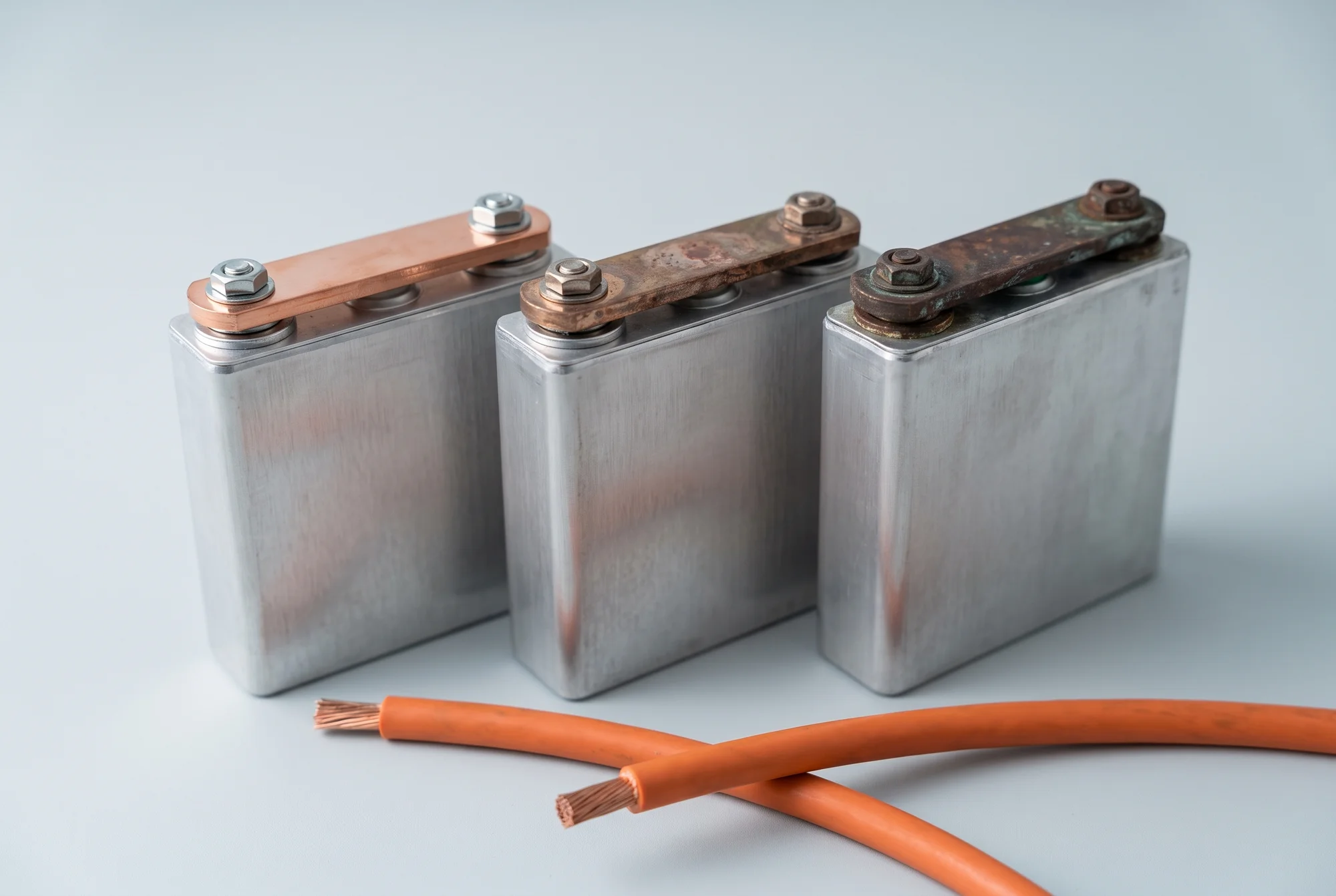
The box says "6,000 cycles." The warranty certificate says two years. Neither sentence is false, and neither says on its own what they say together: at one cycle a day, two years is 730 cycles, an eighth of the big number. The manufacturer is only answering for that eighth.
This guide exists to read the durability numbers together, because there are three of them and they're presented as if there were one.
A cycle, and down to what
A cycle is one full charge and one full discharge. If you discharge half the battery twice, that's one cycle: what counts is the energy that passes through, not how many times you touch the socket.
The number of cycles on its own means nothing, because a battery doesn't die — it fades. A manufacturer declares "three thousand cycles" together with a threshold: the capacity retention those cycles are measured against. Three thousand cycles to 80% means that after three thousand cycles you can expect to still have eight-tenths of the capacity it had when new. Three thousand to 70% is a weaker promise dressed up as the same number.
As of 23 September 2026, of the 88 products tracked on JouleSpecs, 65 declare a number of cycles. Of these, 40 say they're measured to 80% capacity retention, 7 to 70%, one to 60% — and 15 don't state the threshold. On those fifteen the number isn't comparable with any other, which is why the spec sheet records threshold and cycles as two separate figures instead of printing them as one line.
The measurement conditions matter as much as the threshold. The datasheet for a cell widely used in European battery storage declares 6,000 cycles at ≥80% — but of remaining energy, not capacity, at half the rated current and at 25 °C. A manufacturer of camper batteries, using cells from the same family, declares 2,500 cycles if you discharge to 80% depth and 5,000 if you stop at 50%: the same components, double the cycles, for a different way of using them.
The chemistry moves less than it seems
The common wisdom is that cell chemistry decides durability. A study by Sandia National Laboratories cycled commercial cells of three chemistries while varying temperature, depth of discharge and current: LFP cells lasted from 2,500 to 9,000 equivalent full cycles, NCA from 250 to 1,500, NMC from 200 to 2,500. LFP wins, and by a wide margin. But the range within LFP — from 2,500 to 9,000, a factor of nearly four — is wider than the gap between two different chemistries. How you use it matters more than what's inside.
The same study adds a note almost nobody repeats: when you compare total energy delivered instead of cycles, the differences between the three chemistries narrow, because an LFP cell has less capacity and a lower voltage. Cycles aren't kWh.
There's also a practical reason chemistry decides little today: it doesn't vary. Of the 88 products tracked, all 79 that declare a chemistry declare LFP. Choosing between two products in the catalogue isn't a choice between two chemistries: it's a choice between two commercial promises.
The three limits, and which one triggers first
An energy storage system's warranty ends at the first of three limits to run out:
| Limit | How it runs out | Who declares it, in the catalogue |
|---|---|---|
| Cycles | you use them up by using it | 65 out of 88 products |
| Years | pass even if you don't use it | 80 out of 88 products |
| Guaranteed energy throughput | you use it up in kWh passed through, not in cycles | none |
The third row is the most interesting. In German residential contracts the energy cap is almost always there: the HTW Berlin's Stromspeicher-Inspektion reviewed the warranties of twenty manufacturers and found cycle caps from 3,500 to 10,000, guaranteed capacity retention between 60% and 85%, and energy caps of 2.4 to 8.5 MWh for every kWh installed. Their example: a 10 kWh system with a cap of 26 MWh over ten years loses its warranty if it discharges more than 2,600 kWh a year.
In our catalogue that figure never appears, because the catalogue today is made up mostly of portable units and balcony battery storage, which are sold with a two-page certificate rather than a contract. This isn't a gap in our research: it's what manufacturers publish.
The sum the spec sheet does for you
Every JouleSpecs spec sheet takes the declared limits, converts them all into cycles — warranty years at one cycle a day, guaranteed energy divided by capacity — and keeps the smallest. This is what we call battery life cycles, and next to it we write which of the three limits won.
The result, measured on 23 September 2026: of the 59 products that declare both cycles and years, in all 59 it's the warranty that runs out first. Not once did the declared cycles turn out to be the shorter limit. The big number on the box has, so far, never decided anything.
How wide the gap is depends on the product family, and here the numbers speak for themselves:
| Declared warranty | Declared cycles | Battery life cycles at one cycle a day | |
|---|---|---|---|
| Portable power stations | 2 to 6 years (57 products) | 2,000–6,000 | 730–2,190 |
| Balcony battery storage | 10 years (20 products), 12 years (one) | 6,000–10,000 | 3,650–4,380 |
Same cells, same chemistry, the same technical promise. The difference between two years and ten isn't in the batteries: it's in what kind of product the manufacturer decided to sell. A portable power station is an appliance, a balcony battery storage system is an installation — and the warranty follows the commercial category, not the physics.
It's also why the two families behave so differently when you calculate how much every kWh passing through the battery costs: battery life cycles sit in the denominator of that sum, and ten years against two changes it fivefold.
Is one cycle a day a lot or a little?
Our calculation uses one cycle a day because that's the rhythm of a home battery paired with solar: it charges during the day, empties in the evening. The HTW, looking at real installations, counts 150–300 equivalent full cycles a year, less than one a day. If that's your use, the warranty years matter even more and the cycles even less.
If instead you use it rarely — a weekend a month in a camper, a power cut every other winter — you'll never use up the cycles, and the only thing that really wears out is the calendar. Even standing still, a battery ages. To find out how many times a day you'll really empty it, you need to start from the appliances you plug into it: how many hours does the fridge last.
How to read a durability claim
- Look for the threshold next to the cycles. If it isn't there, the number isn't comparable: treat it as if it hadn't been declared.
- Convert the years into cycles at the rate you'll actually use it, and compare them with the declared cycles. Whichever is smaller is the one that counts.
- Look for the energy cap in the certificate, not the sales sheet. If it's there, divide it by the capacity: it's often the real limit.
- Look at the guaranteed capacity retention, not just the years. A ten-year warranty at 60% and a ten-year warranty at 80% are two different products.
And one thing you won't find in any document: from 18 February 2027, the EU battery regulation requires a digital passport for industrial batteries above 2 kWh, and among the public information will be the expected cycle life and the reference test used to measure it. That's exactly the figure that's missing today, and in under a year and a half it will stop being optional.
Sources
- Y. Preger et al., Degradation of Commercial Lithium-Ion Cells as a Function of Chemistry and Cycling Conditions, Journal of the Electrochemical Society 167 (2020) 120532, Sandia National Laboratories — Source 1
- HTW Berlin / aquu, Stromspeicher-Inspektion 2026 — Source 2
- EVE Power, LF280K Product Specification, version B — 6,000 cycles at ≥80% remaining energy, 0.5P, 25 °C — Source 3
- Victron Energy, 12,8 & 25,6 Volt Lithium-Iron-Phosphate Batteries Smart, datasheet — 2,500 cycles at 80% depth of discharge, 5,000 at 50% — Source 4
- Regulation (EU) 2023/1542 on batteries and waste batteries, Article 77 and Annex XIII (digital passport) — Source 5
- The catalogue figures are ours, measured on 23 September 2026 across the 88 products tracked: every declared value on a spec sheet carries a link to the manufacturer's document it comes from.
Three examples from the catalogue
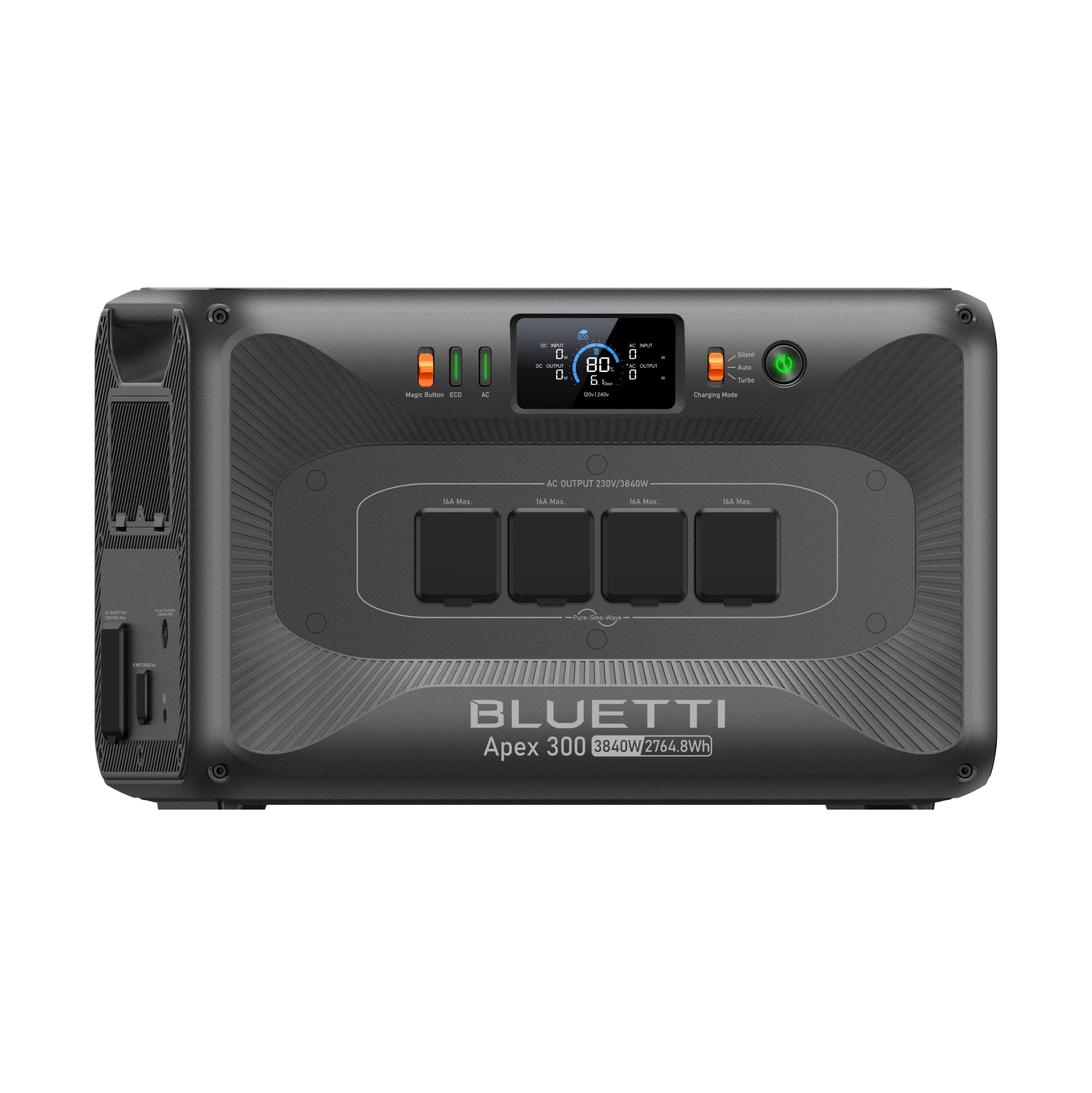
Why it's here Rated cycles: 6000 cicli · manufacturer's source
Check the price on Amazon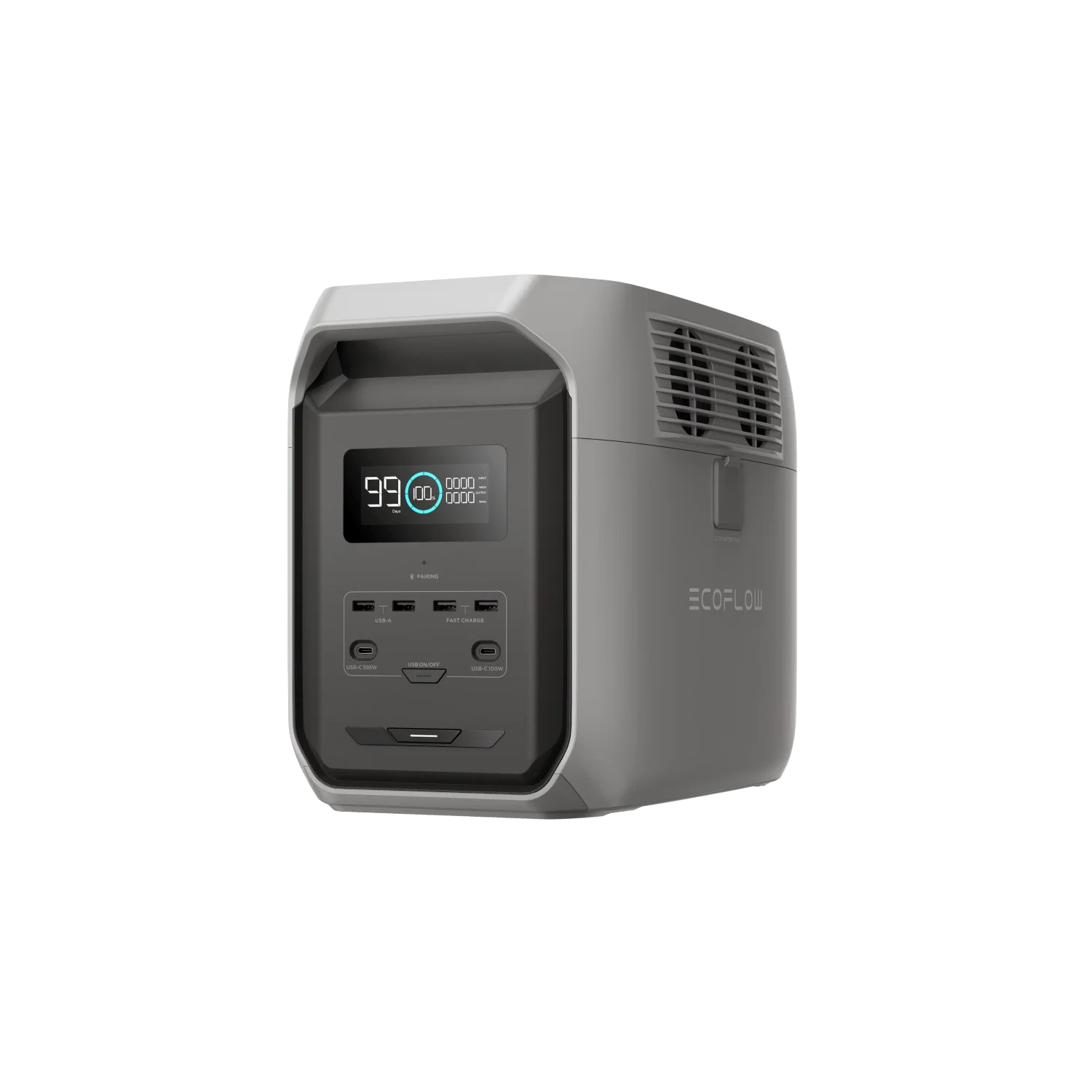
Why it's here Capacity at end of cycle life: 70 % · manufacturer's source
Check the price on Amazon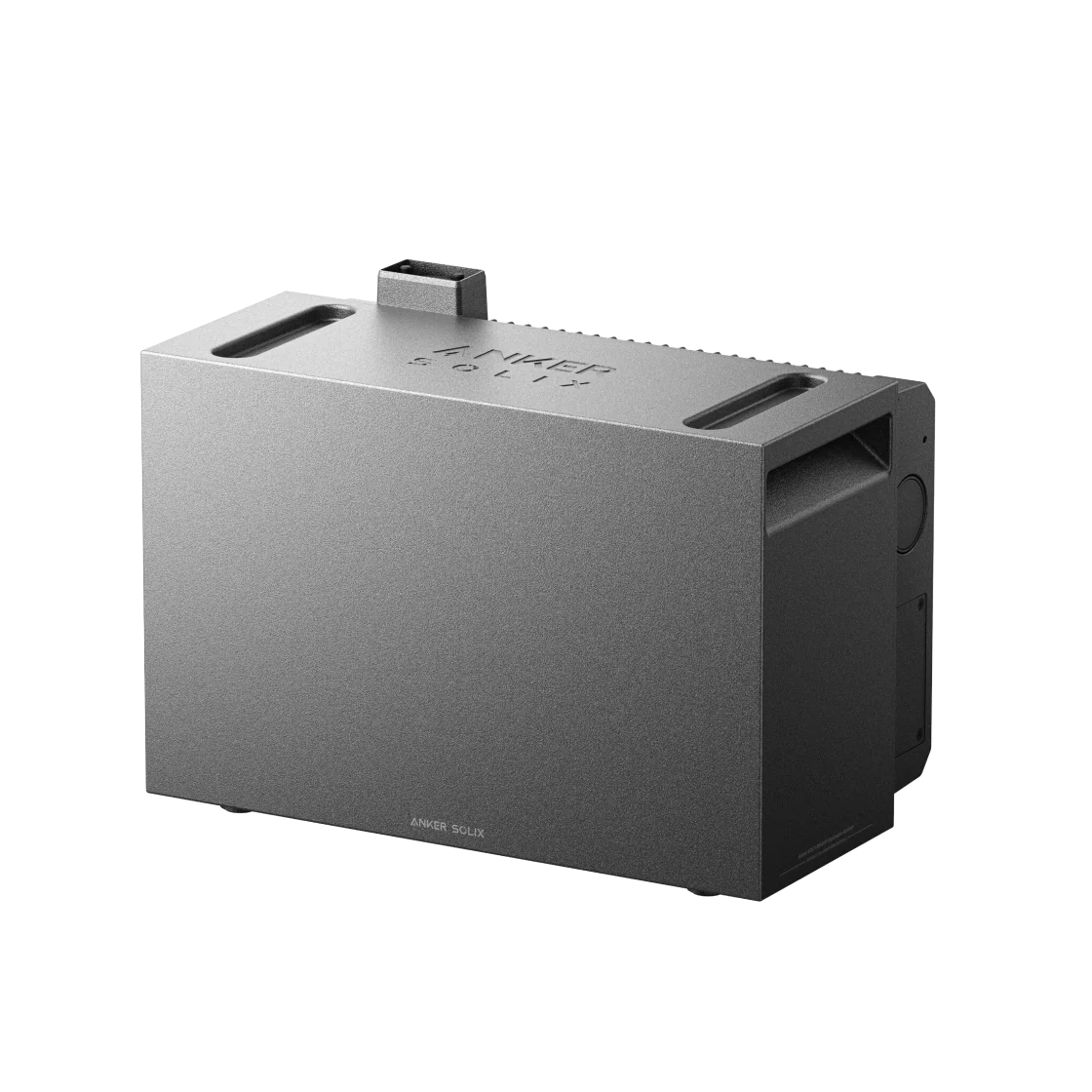
Paid link: the price for you does not change.
As an Amazon Associate I earn from qualifying purchases.